Bloomby Doodlingo
Bloom by Doodlingo

Seetheconceptclearly.Finishsyllabusinsprints.

Bloom by Doodlingo turns textbooks and test prep into short visual sprints: see the concept, watch it solved, do it yourself. Doodlingo brings the same visual-memory system to vocabulary.

Drag the orange corner · English & Hindi

abababab
(a + b)²  =  a²  +  2ab  +  b²
(0.62 + 0.38 = 0.38 + 2·0.24 + 0.14

this is one sprint

Ten minutes. One concept.
You finish knowing it.

No three-hour grind, no wall of theory. Here's a real sprint, start to finish — and you don't move on until it clicks.

  1. 01 · Hook
  2. 02 · See it
  3. 03 · Learn it
  4. 04 · Solved
  5. 05 · Check it
  6. 06 · You do it
  7. 07 · Explain it
01Hook

Start with a question you'd actually wonder about

A train covers 180 km in 3 hours. Without a formula in sight — could you already guess how fast it's going?

No pressure. Just curiosity.

02See it

See the idea before you read a single line

0 km180 km in 3 h
🚆
every hour60 km covered
03Learn it

Just enough text — never a wall of it

Speed is simply how much distance you cover in each unit of time. Split the distance evenly across the hours and you have it.

speed = distance ÷ time
04Solved

Watch the problem get solved, step by step

  1. 1

    Write what you know

    distance = 180 km, time = 3 h

  2. 2

    Put it in the formula

    speed = 180 ÷ 3

  3. 3

    Do the division

    speed = 60

  4. 4

    Add the unit

    speed = 60 km/h

05Check it

A quick check — does it click?

So our train's speed is…

Tap your answer

06You do it

Now you try it — with the numbers changed

Your turn: a car covers 150 km in 2 hours. Its speed is

km/h
07Explain it

Explain it back — the test that proves you own it

You divide the distance by the hours… so it's how far you go each hour?
That's exactly it. ✦ Now — if a cyclist took 4 hours for 60 km, would their speed be bigger or smaller? Why?

Explain it back to the AI tutor — if you can teach it, you own it.

That's the whole sprint. Master one thing, then the next — and the syllabus quietly gets finished.

confidence, not cramming

Most learning systems overwhelm you early.
We make it click first.

When students feel lost in the first five minutes, they switch to panic mode. Bloom is built to do the opposite: clarity first, momentum next.

The usual way

Pressure first, understanding later

  • You meet the hard question before the idea is visible
  • You watch a solution before the concept ever feels natural
  • You leave thinking the chapter is harder than it really is

The Bloom way

Clarity first, then momentum

  • See how the concept works before anyone asks you to perform
  • Watch one clean solve, then try the same move yourself
  • Build small wins early, so harder questions stop feeling hostile

Once the idea is visible, difficulty becomes practice — not panic.

one visual system

Bloom helps you study. Doodlingo helps you remember.

Same visual-first thinking, different job. Bloom is for textbook chapters and test-prep strategy. Doodlingo is for vocabulary that actually sticks.

Doodlingo · visual dictionary

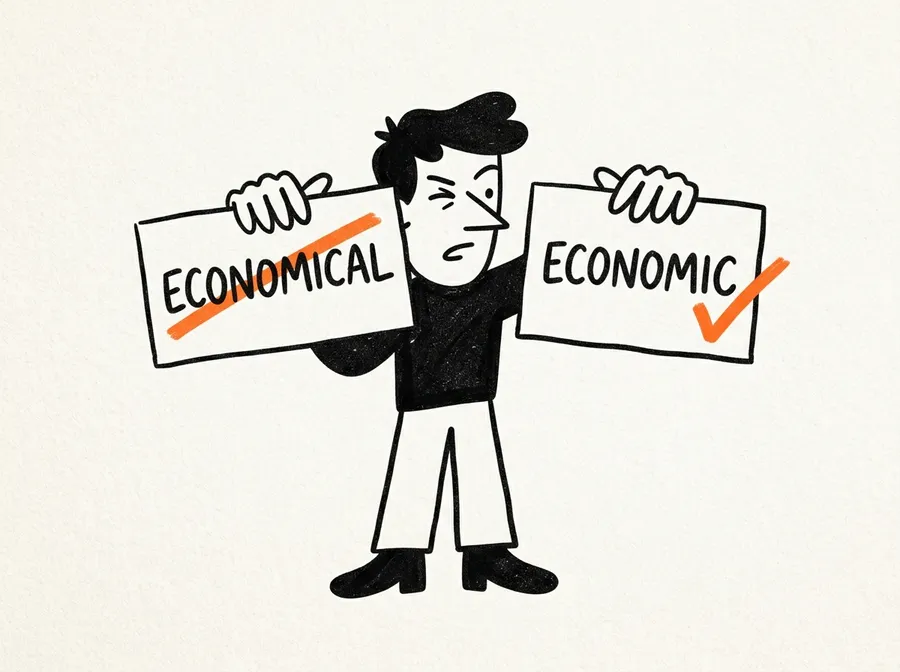
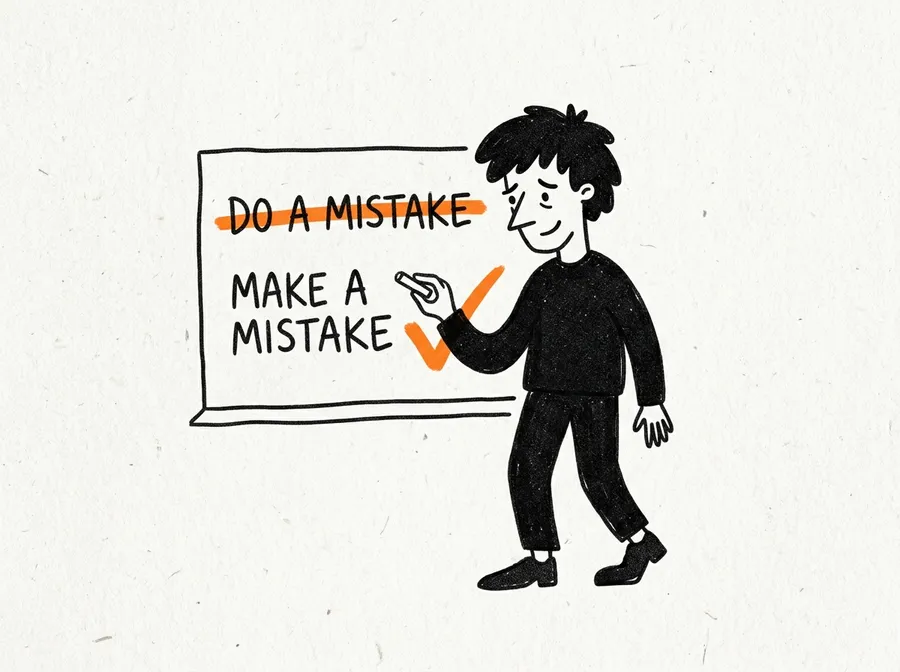
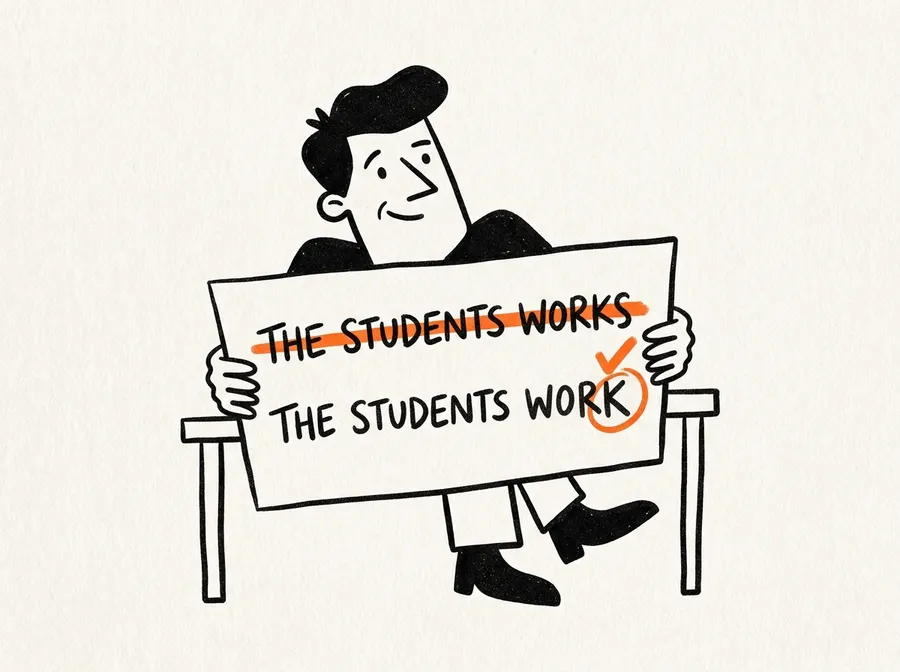
Words your memory can actually keep.

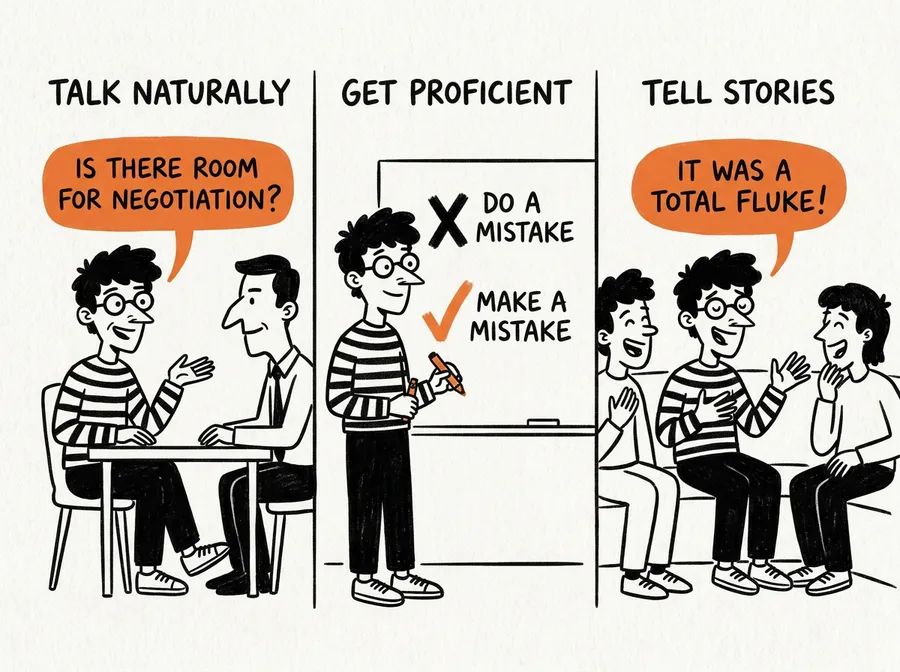
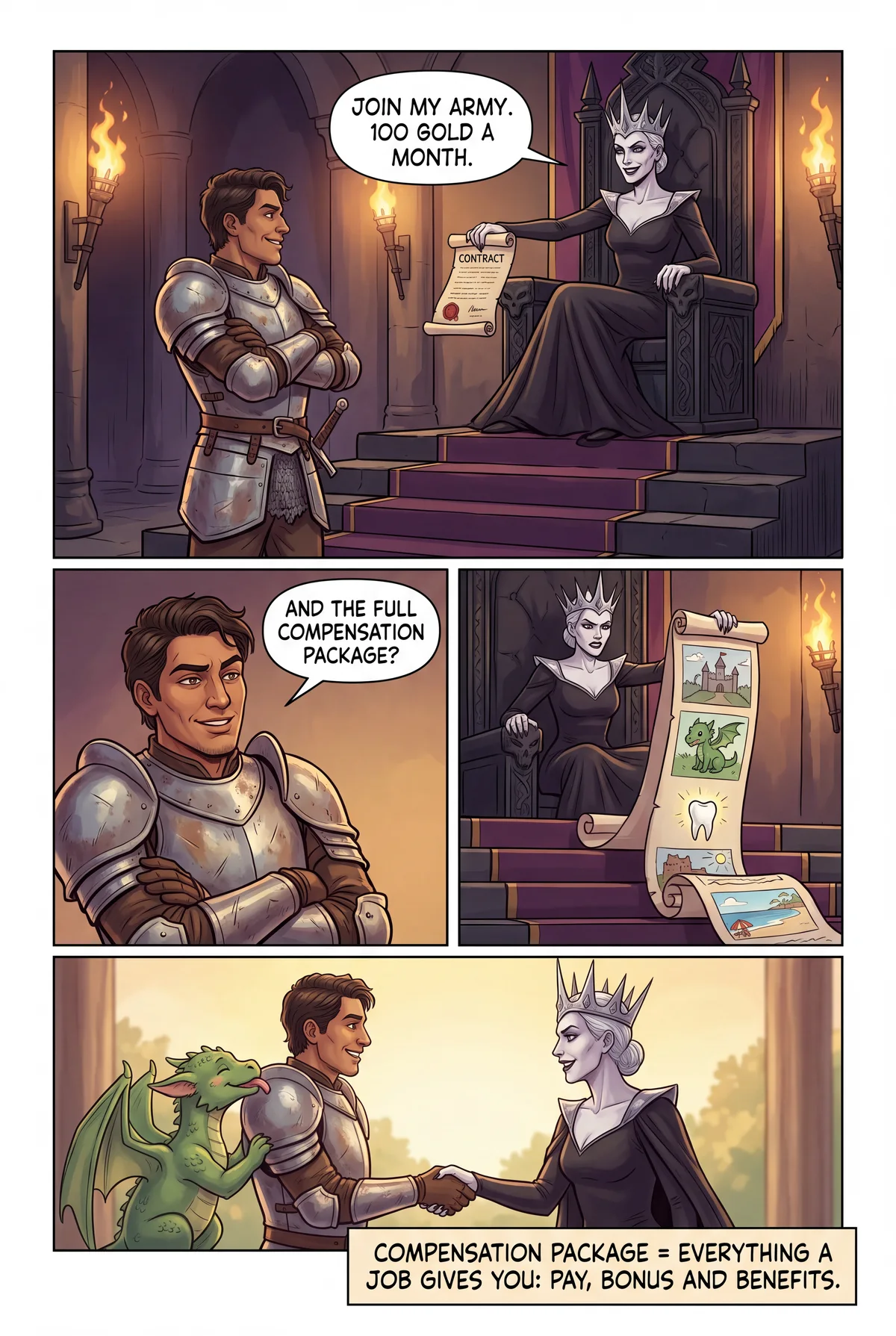
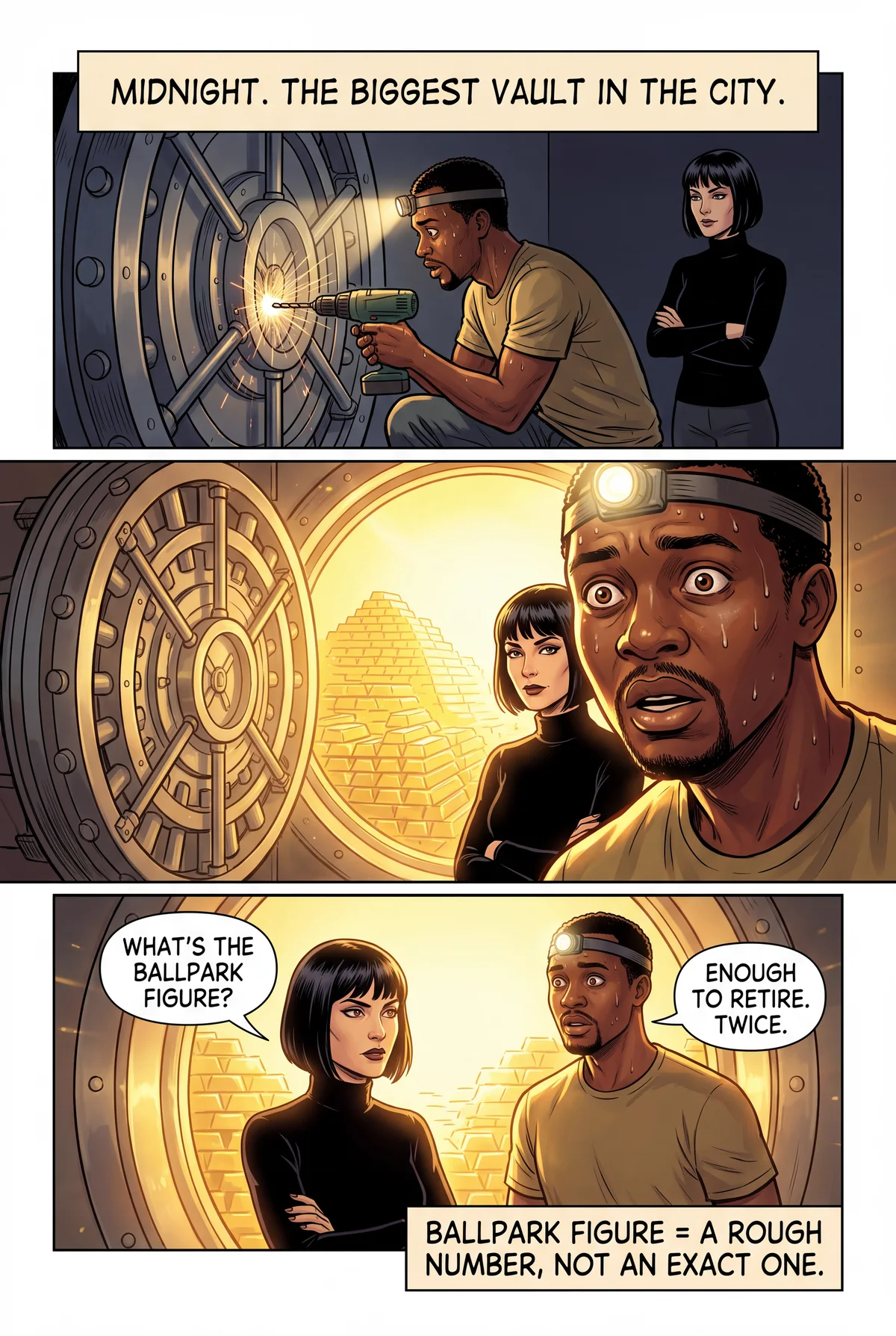
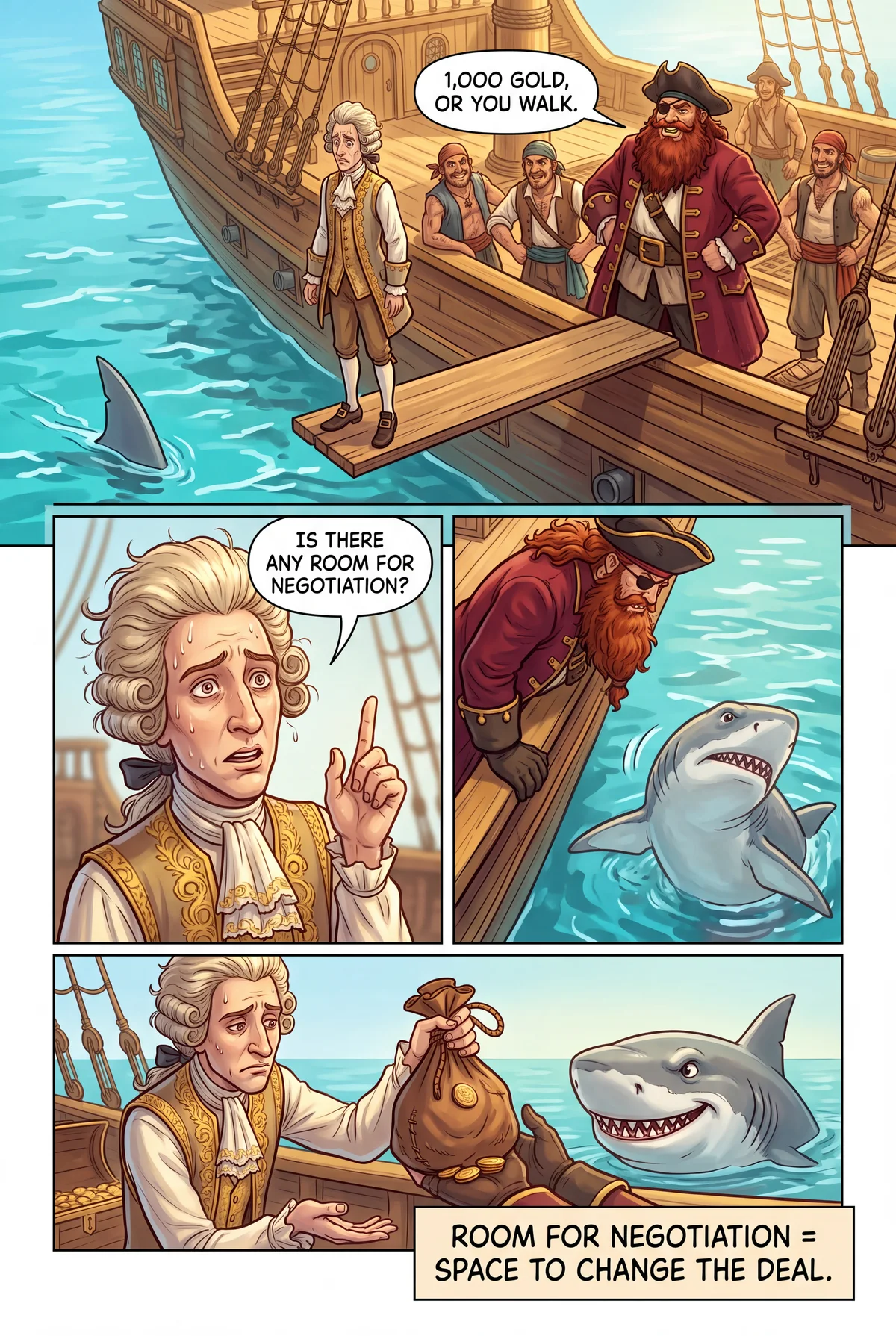
Doodlingo takes the same visual-learning philosophy and applies it to vocabulary. Every word becomes one picture, one idea, one memory hook — not another list to reread. 12 words and counting.

Explore Doodlingo
RIZON
PLU
ET

Tap a tile to replay. Every word in the dictionary is a picture you can recall — not a definition you have to.

Bloom · test prep · IELTS live

Master the strategy — not just the drills.

Bloom shows how the exam moves, why a method works, and where people waste marks. Practise with feedback so test day feels familiar, not chaotic.

● auto · Scan — ignore the meaning; let your eyes snap to dates, names & numbers.

The rapid rise of coastal cities has reshaped where the world chooses to live. For centuries people clustered around farmland, but the balance tipped as ports became engines of trade and work. However, this concentration came at a measurable cost. By 2018, an estimated 55% of the population lived in urban areas, straining housing and water.

Researchers trace the surge to one decisive force — economic opportunity. A landmark study led by Dr. Maria Holt followed 12,000 households across a decade of moves. Consequently, planners now treat migration not as a crisis to halt, but as a current to design around.

Yet the trend may already be turning. Remote work and steep rents have nudged nearly 1 in 5 workers back toward smaller towns since 2020, hinting at a quieter, more distributed future.

See all test prep

NCERT & DAV · Class 6–12

Finish the syllabus — one sprint at a time.

Bloom rebuilds real textbook chapters into short, visual, do-it-yourself study runs — so you understand faster and actually reach the end. 23 chapters live.

Browse all textbooks

why Bloom by Doodlingo exists

Most learning products help you consume more.
We want you to finish.

A student can watch classes all day and still freeze when the book is open and nobody is helping. Bloom by Doodlingo is built for that moment: when it's just you, the chapter, and the need to understand it well enough to solve, recall, and move on.

Supported by Google & Microsoft

Start learning free
Google · IIT-Delhi AI Bootcamp
Microsoft for Startups
Google for Startups
Google for Startups

free to start

Start free.
Keep the system that helps you finish.

Bloom by Doodlingo is in free early access. Open an account, try it on real content, and decide after you've felt the difference — no card, no catch.

Create your free account
  • Doodlingo visual dictionary
  • Bloom textbook sprints
  • Bloom test-prep strategy sprints
  • AI tutor and feedback loops
  • English & Hindi